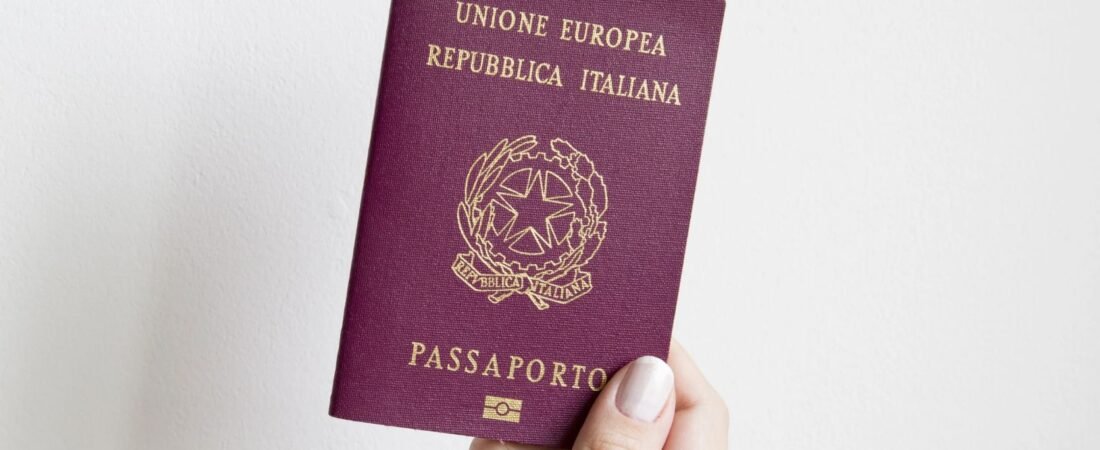
A visa is an official document or electronic authorization that allows a foreign national to request entry into another country for a specific purpose. Depending on the destination, a visa may be issued for tourism, education, employment, business, family visits, or permanent immigration. The rules, application process, and permitted length of stay vary by country.
Understanding the most common visa types helps travelers, students, professionals, and families choose the correct category before applying. Each country has its own immigration laws, eligibility requirements, and document standards. Some countries also allow visa-free travel for eligible passport holders, while others require a visa before departure.
This guide explains 10 common visa types, their purposes, typical requirements, and key differences. It also answers frequently asked questions to help applicants understand which visa may suit their travel plans.
What Is a Visa and Why Is It Important?
A visa is permission granted under a country’s immigration system for a defined purpose, subject to specific conditions. It may appear as a sticker in a passport, an electronic visa (eVisa), or another form of authorization.
A visa does not always guarantee entry. Border officials may still check a traveler’s documents, purpose of visit, financial resources, and compliance with entry rules.
The type of visa a person needs depends on four main factors: the destination country, the purpose of travel, the planned duration of stay, and the applicant’s nationality. For example, a person visiting another country for a two-week holiday may need a tourist visa, while someone attending a university may need a student visa.
Applicants should always check the official immigration website or embassy of their destination before submitting an application. Visa requirements, fees, processing times, and eligibility rules can change.
1. Tourist Visa
A tourist visa allows eligible foreign nationals to visit a country for leisure, sightseeing, holidays, and other permitted personal activities. It is one of the most common visa types for international travelers.
Tourist visas are generally designed for short stays. Depending on the country, they may allow a single entry or multiple entries during a specified period. The permitted stay may range from a few days to several months.
Typical requirements include a valid passport, a completed application form, recent photographs when required, travel plans, proof of accommodation, and evidence of sufficient funds. Some destinations may also request travel insurance, a return ticket, or additional supporting documents.
A tourist visa usually does not permit regular employment. Travelers must check whether their intended activities, such as attending a conference or visiting relatives, are allowed under the relevant category.
Example: A traveler visiting France for a holiday may need a Schengen short-stay visa, depending on their nationality and circumstances. The Schengen visa generally permits stays of up to 90 days within any 180-day period across the applicable Schengen area.
2. Business Visa
A business visa is intended for eligible travelers visiting another country for permitted commercial activities. These activities may include attending meetings, negotiating contracts, participating in trade events, or meeting business partners.
Business visas do not automatically authorize employment in the destination country. The rules depend on the country’s immigration system and the specific activities involved.
Applicants may need an invitation letter from a company, details of planned meetings, proof of business relationships, accommodation information, and evidence of financial support. Some countries also require a letter from the applicant’s employer.
The permitted length of stay and number of entries vary by destination. A business visa may allow one visit or multiple trips during its validity period.
Example: A company representative traveling overseas to attend a trade exhibition may qualify for a business visitor category if the planned activities meet the destination country’s rules.
Before applying, travelers should confirm whether their work-related activities require a business visa, work permit, or another authorization.
3. Student Visa
A student visa allows eligible international students to enter or remain in a country for approved educational programs. It is commonly required for university degrees, college courses, and certain long-term training programs.
Applicants generally need an admission letter from a recognized educational institution. Depending on the destination, they may also need academic records, proof of tuition payment, financial evidence, health insurance, a medical examination, or language test results.
Some student visas permit limited employment during study periods or scheduled breaks. Other categories restrict work or require separate permission. Students must understand these conditions before accepting a job.
A student visa may be issued for the duration of a course or for a shorter period that requires renewal. Students may also need to maintain enrollment, meet attendance requirements, and report changes in their circumstances.
Example: An international student accepted by a university in Canada may need a study permit and, depending on their nationality and circumstances, a visitor visa or electronic travel authorization to enter Canada.
Admission to a school does not automatically guarantee immigration approval. Applicants should review both the institution’s admission rules and the government’s student immigration requirements.
4. Work Visa
A work visa allows a foreign national to undertake employment that is permitted under the destination country’s immigration laws. It is often required when a person accepts a job with an employer in another country.
Work authorization rules differ significantly. Some countries require employer sponsorship, while others offer permits for qualified professionals, seasonal workers, skilled tradespeople, or specific industries.
Common application documents include a job offer, employment contract, passport, professional qualifications, proof of work experience, and employer sponsorship documents where applicable. Certain occupations may also require licensing or recognition of qualifications.
Some work visas are linked to one employer or occupation. Others provide greater flexibility, depending on the program. Changing jobs may require new approval or a different permit.
Example: A skilled professional offered a qualifying job in the United Kingdom may be eligible for the Skilled Worker route if the employer, salary, role, and applicant meet the relevant requirements.
A work visa should not be confused with a business visitor visa. Attending meetings and performing paid employment are treated differently under many immigration systems. Applicants should confirm the correct category before traveling.
5. Transit Visa
A transit visa allows certain travelers to pass through a country while traveling to another destination. It may be required when a passenger changes flights, enters an international transit area, or travels through a country by land or sea.
Transit rules depend on nationality, the airport, the length of the connection, the travel route, and whether the traveler must pass through border control. Some passengers can remain in an international transit area without a visa, while others need an airport transit visa or a regular entry visa.
Applicants may need confirmed onward tickets, a valid visa for the final destination, a passport, and evidence of their travel itinerary.
Example: A passenger connecting through an airport in a European country may need an airport transit visa depending on their nationality and the country’s specific rules.
Travelers should check transit requirements before booking flights. A short connection does not automatically remove the need for a visa.
6. Medical Visa
A medical visa is designed for eligible foreign nationals traveling to another country to receive medical treatment. It may cover consultations, surgery, specialized care, or other approved medical services.
The exact category name and requirements vary by country. Some destinations offer a dedicated medical visa, while others allow treatment under a visitor visa or another immigration route.
Applicants may need a letter from a hospital or registered medical provider, details of the proposed treatment, medical records, proof of funds, accommodation information, and evidence that treatment arrangements have been made.
In some countries, a family member or caregiver may qualify for a separate accompanying-person visa. The patient’s authorization does not automatically cover every accompanying traveler.
Example: A patient traveling abroad for planned surgery may need a medical visa if the destination country provides this category and requires it for the intended stay.
Applicants should confirm the permitted length of stay and whether extensions are possible when treatment requires additional time.
7. Family or Dependent Visa
A family or dependent visa allows eligible family members to join or accompany a person who lives, works, studies, or holds another qualifying immigration status in a foreign country.
Eligible relationships may include spouses, civil partners, dependent children, and, in some programs, other qualifying relatives. The rules vary widely. Not every country permits every family relationship under the same category.
Typical requirements include proof of the relationship, marriage or birth certificates, the sponsor’s immigration documents, evidence of income or financial support, and proof of accommodation. Some applications require language tests, medical checks, or evidence that the relationship is genuine.
A family visa may allow temporary residence, employment, study, or a pathway to permanent residence. These rights depend on the specific category and destination country.
Example: A worker holding an eligible residence permit may be able to sponsor a spouse or dependent child if the country’s family reunification rules are satisfied.
Applicants should review the sponsor’s status, minimum income requirements, relationship rules, and processing times before applying.
8. Exchange Visitor Visa
An exchange visitor visa supports approved cultural, academic, professional, or educational exchange programs. It is commonly used by students, researchers, teachers, trainees, and other eligible participants.
The United States, for example, operates the J-1 Exchange Visitor Program for approved exchange activities. Participants generally need sponsorship through an authorized program sponsor and must meet the requirements of their specific program category.
Documents may include an official program acceptance document, a valid passport, proof of financial support, evidence of program sponsorship, and application forms required by the destination country.
The conditions of an exchange visitor visa may limit employment to authorized program activities. Certain participants may also be subject to a home-country physical presence requirement under U.S. immigration rules, depending on the circumstances.
Example: A university student participating in an approved exchange program in the United States may qualify for a J-1 visa if the program and applicant meet the applicable requirements.
An exchange visitor visa is different from a general student visa because it is connected to an approved exchange program rather than simply enrollment in an educational institution.
9. Permanent Residency or Immigrant Visa
An immigrant visa is used in countries that require a visa for eligible applicants to enter with the intention of becoming permanent residents. After entry and completion of the required procedures, the person may receive permanent resident status.
Eligibility may be based on family sponsorship, employment, professional qualifications, investment under an approved program, humanitarian grounds, or other immigration pathways established by law.
Applicants may need identity documents, civil records, police certificates, medical examination results, financial evidence, proof of family relationships, or employment documents. Requirements depend on the program.
Permanent immigration usually involves a more detailed assessment than a short-term visitor application. Processing can take months or longer, depending on the country, category, and individual circumstances.
Example: An eligible family member sponsored by a U.S. citizen or lawful permanent resident may qualify to apply for an immigrant visa, subject to the relevant category and legal requirements.
An immigrant visa should not be confused with a temporary visitor visa. The two categories serve different purposes and provide different rights.
10. Working Holiday Visa
A working holiday visa allows eligible young adults to travel in a participating country while undertaking certain types of temporary employment to help fund their stay. The category is designed to support cultural exchange and travel.
These arrangements usually operate under agreements between participating countries. Eligibility may depend on nationality, age, available places, financial resources, health requirements, and other conditions.
Applicants may need a valid passport, proof of sufficient funds, health insurance, a return ticket or funds to purchase one, and evidence that they meet the program’s eligibility rules.
The age range is often limited, commonly to people in their late teens through their twenties or early thirties, but the exact limits depend on the agreement. Some programs restrict the duration of employment with one employer or the types of work allowed.
Example: An eligible young adult from a participating country may apply for a working holiday visa to travel and take temporary jobs in Australia or New Zealand, subject to the rules of the relevant program.
A working holiday visa is not available to every nationality. Applicants should verify whether their country has an agreement with the destination and whether applications are open.
How to Choose the Right Visa Type
Choosing the correct visa starts with identifying the main purpose of travel. A holiday, a university course, a paid job, and permanent relocation usually require different immigration permissions.
The destination country’s rules and the applicant’s passport nationality are equally important. Two people traveling to the same country for the same purpose may face different requirements because of their citizenship or residence status.
Applicants should also check the maximum permitted stay, entry conditions, work restrictions, renewal options, and whether family members can accompany them. A visa’s validity period may be longer than the number of days a traveler is allowed to remain in the country.
Before submitting an application, review the official immigration website, confirm the current fees and documents, and make sure all information is accurate. Keep copies of the application and supporting records.