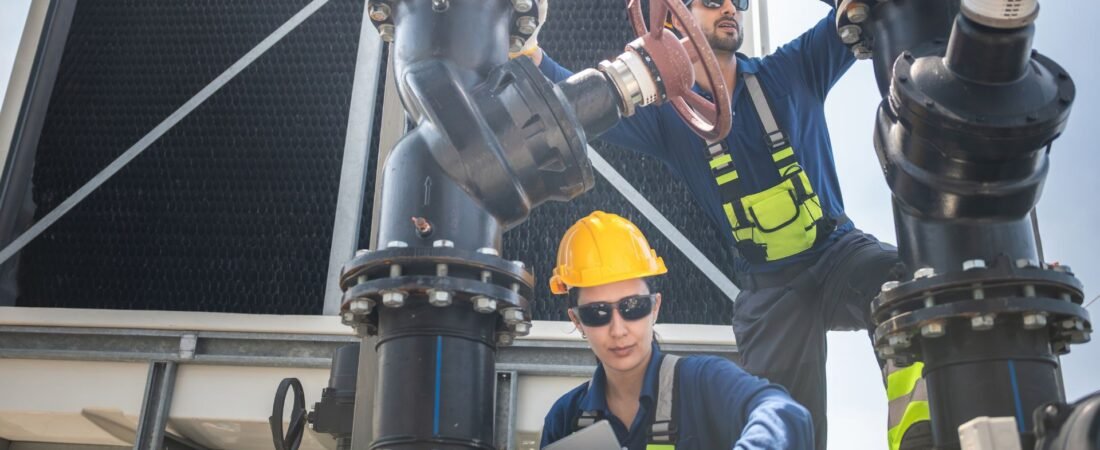
Industrial infrastructure services in Western Australia support large scale development across mining, energy, transport, and industrial processing sectors. The state spans more than 2.6 million square kilometers and includes major resource regions such as Pilbara and Goldfields-Esperance. These regions rely on advanced infrastructure systems to maintain continuous industrial operations and export activity.
Overview of Industrial Infrastructure Development
Industrial infrastructure services in Western Australia include planning, construction, maintenance, and modernization of large industrial systems. These systems include rail networks, ports, energy facilities, water supply systems, and processing plants.
Western Australia produces over 800 million tonnes of iron ore annually. This output requires strong logistics and energy systems to support extraction, processing, and export. Infrastructure projects often exceed AUD 500 million in value and involve long term operational planning.
Key Trends in Industrial Infrastructure
A major trend is automation in industrial operations. Mining sites use autonomous haul trucks and remote controlled drilling systems. These systems improve efficiency and reduce operational risks.
Another trend is modular construction. Industrial infrastructure services in Western Australia increasingly use prefabricated components. These components are built off site and assembled on location. This reduces construction time and improves safety in remote areas.
Digital transformation is also expanding. Real time monitoring systems track equipment performance and infrastructure conditions. Data analytics is used to improve decision making and reduce downtime.
Energy and Sustainability Trends
Energy systems are shifting toward hybrid and renewable solutions. The South West Interconnected System supplies electricity to industrial areas near Perth.
Remote operations use diesel, gas, and solar hybrid systems. Power generation capacity at industrial sites ranges from 10 megawatts to over 200 megawatts. Some operations reduce diesel use by up to 40 percent through renewable integration.
Industrial infrastructure services in Western Australia support energy transition strategies to improve efficiency and reduce fuel consumption.
Transport and Logistics Systems
Transport systems are essential for industrial operations. Western Australia operates more than 5,000 kilometers of heavy haul rail networks. These rail systems move bulk materials from mining sites to export ports.
Ports such as Port Hedland and Port of Dampier handle large volumes of exports. Port Hedland processes over 500 million tonnes of cargo annually.
Industrial infrastructure services in Western Australia ensure that transport systems are maintained and upgraded for high capacity operations.
Maintenance and Reliability Practices
Maintenance is a key best practice in infrastructure management. Industrial infrastructure services in Western Australia include preventive maintenance, inspections, and predictive monitoring.
Digital systems track equipment performance in real time. Predictive analytics identifies potential failures before they occur. Infrastructure systems often achieve operational availability above 90 percent with structured maintenance programs.
Lifecycle management ensures infrastructure assets operate efficiently for more than 20 years.
Engineering and Construction Best Practices
Engineering and construction follow strict standards. Projects involve civil works, structural installation, and mechanical and electrical systems. Large facilities can process more than 50 million tonnes of material per year.
Industrial infrastructure services in Western Australia apply modular construction techniques. Prefabricated units reduce on site construction time and improve safety conditions. Projects are planned to meet Australian Standards and industry regulations.
Construction often involves transporting materials over distances greater than 1,000 kilometers from major hubs like Perth.
Regulatory Compliance and Safety Standards
Industrial projects must follow strict regulatory frameworks. Authorities such as Department of Mines, Industry Regulation and Safety oversee safety and environmental compliance.
Environmental approvals evaluate land, water, and air impacts. Safety standards focus on risk reduction and worker protection. Compliance ensures consistent quality across all infrastructure systems.
Industrial infrastructure services in Western Australia integrate compliance into all stages of project development and operation.
Technology and Digital Integration
Technology is a major driver of efficiency. Industrial infrastructure services in Western Australia use automation, artificial intelligence, and remote monitoring systems.
Autonomous equipment is widely used in mining operations. Communication systems such as satellite links and fiber networks support real time data exchange in remote regions.
Digital twins and simulation tools are used for planning and performance optimization. These technologies improve accuracy and reduce operational risks.
Challenges in Infrastructure Development
Infrastructure development faces several challenges. Remote project locations increase transport costs and logistical complexity. Environmental conditions such as high heat and cyclones affect operations and construction schedules.
Water scarcity is a major concern in arid regions. Workforce shortages also affect project timelines, especially for technical roles.
Industrial infrastructure services in Western Australia address these challenges through advanced planning and resource management strategies.
FAQ
What are industrial infrastructure services in Western Australia
Industrial infrastructure services in Western Australia include planning, construction, maintenance, and upgrading of systems such as transport, energy, water, and industrial facilities.
What are the latest trends in infrastructure services
Key trends include automation, modular construction, digital monitoring, and renewable energy integration.
How important is transport infrastructure
Transport infrastructure is essential for moving bulk materials from mining sites to export ports efficiently.
What role does technology play
Technology improves efficiency through automation, predictive maintenance, and real time monitoring systems.
How long do infrastructure systems last
Most infrastructure systems are designed for more than 20 years with proper maintenance and upgrades.
Conclusion
Industrial infrastructure services in Western Australia are evolving through new technologies, modern construction methods, and improved maintenance practices. These services support transport systems, energy networks, and industrial facilities across large and remote regions.
Industrial infrastructure services in Western Australia ensure reliable operations, improve efficiency, and support long term industrial growth. Through innovation and best practices, these services continue to strengthen the state’s economic and industrial performance.