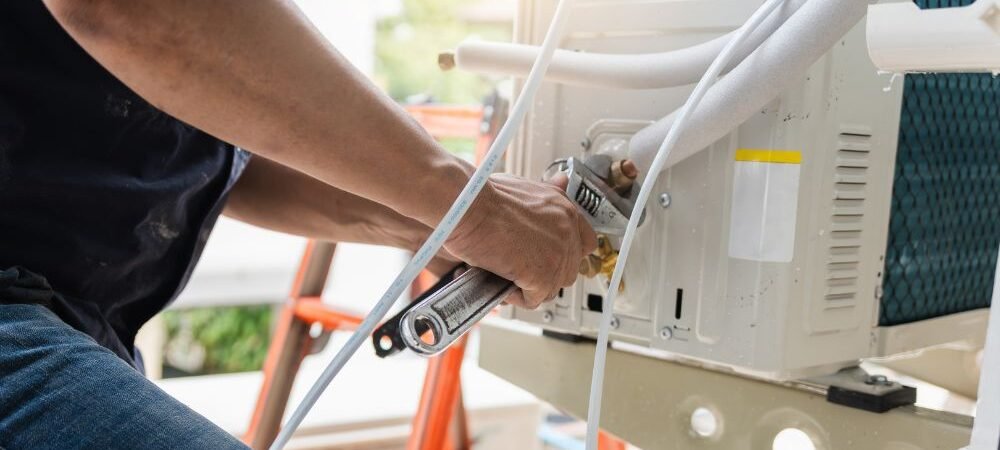
Air conditioners (AC) are essential for maintaining indoor comfort. Many common problems can be identified and sometimes resolved before calling a professional. Checking these items can save time and prevent unnecessary service costs. This guide explains seven key things to inspect before contacting AC repair services.
1. Check the Thermostat Settings
Incorrect thermostat settings are a common cause of AC issues. Inspect the following:
- Ensure the system is set to cool mode.
- Verify the temperature setting matches your comfort needs.
- Replace batteries if the thermostat is unresponsive or displays dim readings.
Correcting thermostat settings often restores normal AC operation.
2. Inspect Air Filters
Dirty or clogged filters reduce airflow and cooling efficiency. Actions to take:
- Remove the air filter and check for dirt or dust.
- Replace disposable filters or wash reusable filters.
- Check filter size to ensure proper fit.
Filters should be cleaned or replaced every 1–3 months for optimal performance.
3. Examine Circuit Breakers
Electrical issues may prevent the AC from operating. Check:
- Ensure the AC breaker is on.
- Reset any tripped breakers.
- Inspect for visible damage or burned wires around the panel.
A simple reset can resolve many minor power issues.
4. Check the Condenser Unit
The outdoor condenser unit can be obstructed by debris. Inspect for:
- Leaves, twigs, or dirt near or inside the unit.
- Bent fins that reduce airflow.
- Adequate clearance around the unit (at least 2 feet).
Cleaning the unit improves airflow and cooling efficiency.
5. Inspect the Evaporator Coil
The evaporator coil absorbs heat from indoor air. Common checks include:
- Ice buildup on the coil, which may indicate low refrigerant or airflow problems.
- Dust accumulation, which can reduce efficiency.
- Ensuring proper airflow from vents.
Turn off the system and allow ice to melt before restarting.
6. Listen for Unusual Noises
Abnormal sounds may signal mechanical issues:
- Buzzing or humming – Possible electrical problems.
- Grinding or rattling – May indicate loose components or fan issues.
- Clicking – Often a sign of faulty relays or switches.
Document the sounds to inform the technician if professional repair is needed.
7. Check Refrigerant Lines
Refrigerant lines carry the cooling agent between indoor and outdoor units. Inspect for:
- Visible leaks or frost on lines.
- Insulation damage on exposed refrigerant pipes.
- Unusual temperature differences along the line.
Leaks require certified technicians for safe and legal repair.
FAQ
Q1: How often should AC filters be replaced?
Filters should be replaced or cleaned every 1–3 months depending on usage and indoor air quality.
Q2: Can I fix a frozen evaporator coil myself?
Turn off the AC and let the ice thaw. Check airflow and clean the filter. Persistent freezing should be handled by a professional.
Q3: What clearance is required around the condenser unit?
At least 2 feet of space on all sides ensures proper airflow and efficiency.
Q4: Can I recharge refrigerant myself?
No, handling refrigerant requires EPA certification. Hire a licensed technician for recharging.
Q5: When should I call a professional after these checks?
If the AC still does not cool properly, makes unusual noises, or shows leaks, contact a certified repair technician.
Conclusion
Checking basic components before calling AC repair can save time and reduce costs. Inspecting the thermostat, air filters, breakers, condenser, evaporator coil, noises, and refrigerant lines helps identify minor issues. Prompt detection and professional repair ensure your AC operates efficiently and reliably.